
Loading ... 0%

operational medicine & austere support

critical care in critical places

00:00:00 LOCAL

32.43199, -110.94412

What We Do

Operational Medicine & Austere Support, Inc. (O.M.A.S.) is a public benefit nonprofit committed to strengthening public safety in resource-limited, high-acuity environments by equipping responders with advanced field medicine, cutting-edge technology, and alliance-building programs.

development

Bridging agency gaps and forging alliances that transform the landscape of rural emergency response. These efforts set the stage for preparedness and deployment.

Support

Deploy and support advanced solutions that transform how agencies fight asymmetric threats, respond to emergencies, and deliver lifesaving care.

Preparedness

We prepare responders for the realities of rural, high-threat, and mass casualty incidents through realistic, scenario-driven programs and continual assessment.

Austere Medicine Training

Immersive and comprehensive hands-on training for both medical professionals to lay persons, equipping them with critical skills to save lives in the most 
demanding environments.
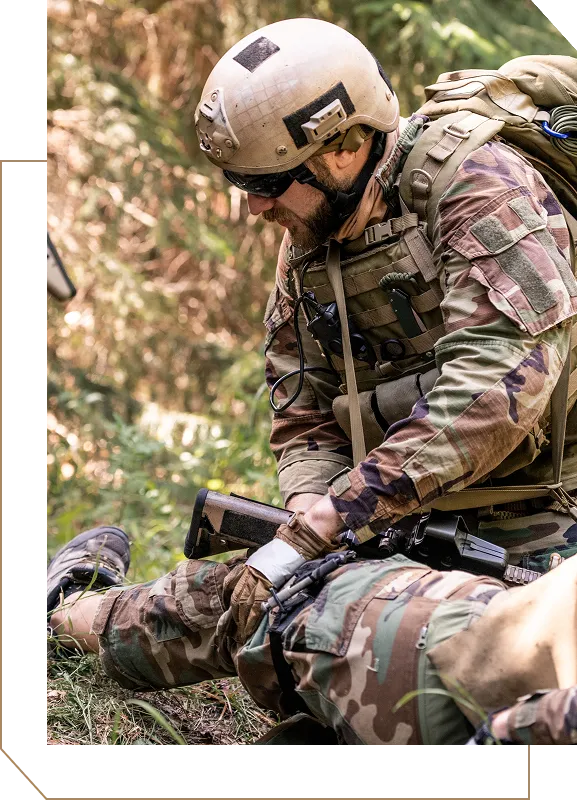
A tactical unit rendering medical aid to injured personnel and calling in a medevac

Customer testimonials

“Spring flooding in our subdivision off the James River used to mean last‑minute panic and random piles of sandbags. You showed our HOA how to stack them properly and even helped us use old tires as makeshift barriers where the water always cuts across the road. This year, we spent more time placing bags and less time bailing out living rooms.”
Dana Cole
Board Member
“At a regional USAID compound in Nairobi, every bureau had its own version of an evacuation plan. You sat with the Emergency Action Committee and merged them into one coherent set of steps that actually aligns with State’s handbook. When we ran a shelter‑in‑place drill, nobody was flipping through binders trying to guess which version to follow.”
Carol Stein
Executive Officer
“Our youth sports complex outside Orlando was chaos any time a kid went down. You helped us mark field addresses, set one gate as the ambulance entrance, and decide who actually meets EMS. Now when something happens at Oak Ridge Park, a coach pops a gate, someone walks to the road, and parents get the same clear story instead of rumors.”
James "JT" Taylor
Volunteer Director
“Our embassy support site in Amman had a decent clinic but no consistent way of drilling non‑medical staff. You built a short, repeatable scenario package we now run every month—office fire, motor pool crash, minor blast at the outer gate. People are less jumpy because they’ve walked through it before, and after‑action notes don’t just vanish into the ether.”
Daniel Cho
Crisis Management Coordinator
“We run a small metal factory outside Dayton—injuries are inevitable—and you didn’t hand us a 50‑page manual. You shifted a few first‑aid kits around, tightened up our 911 script, and made sure the front desk knew exactly what dispatch needed to hear. Our last two ambulance calls took minutes instead of half the shift standing around the phone giving directions.”
Mark Philips
Plant
“In Djibouti, we had bits and pieces of medical guidance scattered across emails and SharePoint folders. You pulled it together into a single playbook for routine injuries, heat cases, and when to push for medevac. Nothing exotic—just clear thresholds and phone trees—which has cut down on the ‘should we call this in?’ debates on hot days.”
LCDR Amanda Blake
Medical Department Head
“Our community center in Obetz already had an AED on the wall, but nobody had thought seriously about overdoses. You helped us add naloxone right next to it, with simple instructions and a quick briefing for staff and league volunteers. We haven’t had to use it yet, but people know it’s there and it’s not treated like some taboo subject anymore.”
Mel Ross
Manager
“At our compound outside Erbil, evacuations used to be ‘whoever seems in charge today.’ You sat down with our Regional Security Office and clinic lead and hammered out a short SOP for casualty collection, radio traffic, and handoff to the med team. Now new arrivals get a one‑pager on day one and stop reinventing the process every time something minor happens.”
Maj. Colin Reeves
Operations Supervisor
“During a walkthrough of our little mountain church near Trust, you helped us turn loose ideas into an actual evacuation plan—who calls 911, who opens which doors, where folks wait if we have to clear the sanctuary. The next time we had a medical issue mid‑service, it felt like a routine instead of 200 people staring at each other.”
Rev. Thomas Romero
Pastor
"Downrange at our compound, evacuations used to run on habit and whoever had ‘been here longest.’ You helped us turn that into a short, clear SOP—who calls it, who runs the collection point, how we brief the clinic. New people stop asking the same questions every rotation and just follow the drill."
Maj. D. Keller
Operations Supervisor
"My husband has COPD and we live down a dark dirt road in a narrow draw outside Hot Springs—hard to reach even on a good night. You handed us a box of chem lights and a simple idea: one at the turnoff, one at the gate for the ambulance. First time I tried it during a flare‑up, the crew drove straight to the door instead of blowing past us three times."
Lisa Barrett
Property Owner
“On our airfield in eastern Syria, we were good at treating blast and gunshot, less good at the boring stuff—tracking supplies, rotating meds, documenting near‑misses. You helped our med section put in a simple stock system and a short after‑action template that people will actually fill out. We’re already catching small problems before they turn into ‘how did we run out of that?’ on a bad night.”
SFC Tyler Grant
Senior Medic
“You sat through one of our drill nights in Tappahannock and pointed out a few simple fixes in how we hand patients off and restock our rigs. We didn’t overhaul the department, but our reports are cleaner and we’ve stopped wasting time arguing over who grabbed which bag.”
Jack T.
Training Officer
“At a Marine security detachment in the Sahel, our corpsman was solid but constantly rotating. You focused on what survives turnover: a clean aid‑station layout, labeled drawers, photos of how it should look, and a two‑page orientation for the next person. The last handover took hours instead of days because everyone knew what ‘right’ was supposed to be.”
GySgt Miguel Santos
Detachment Commander
“On our cow‑calf place between Huntsville and Madisonville, injured cattle used to mean hours of riding and guessing. You brought a small drone, showed us how to fly the fence lines after a storm, and helped us mark GPS points for our vet. We’ve already used it to find one lame cow in the brush instead of waiting until she turned up much worse.”
Burt McAdams
Ranch Foreman
“Our mission has seen multiple drawdowns and ramp‑ups. You worked with the Emergency Action Committee med rep to map out what ‘minimum medical footprint’ actually looks like at each staffing level—what services stay, what gets cut, and how we communicate that to the country team. It’s made conversations about risk a lot more honest and a lot less hand‑wavy.”
Dr. Elaine Porter
Medical Unit Chief
“At city hall in a little town on the Jim River, you sat down with our mayor, fire chief, and a couple of tired EMS folks and forced us to agree on what actually happens in a big storm—who orders sandbags, who opens the shelter, who talks to local radio. For once, the plan in the binder matches what people think they’re supposed to do.”
Heather Zimmerman
Emergency Manager
“On a small forward site in the Horn of Africa, we used to lean on one overworked PA to remember everything. You helped us spread the load—clear on‑call rosters, a basic injury log, and simple guidance for when non‑medical leadership needs to wake the provider up. The PA still works hard, but fewer things fall through the cracks on nights and weekends.”
Site OIC
Site OIC

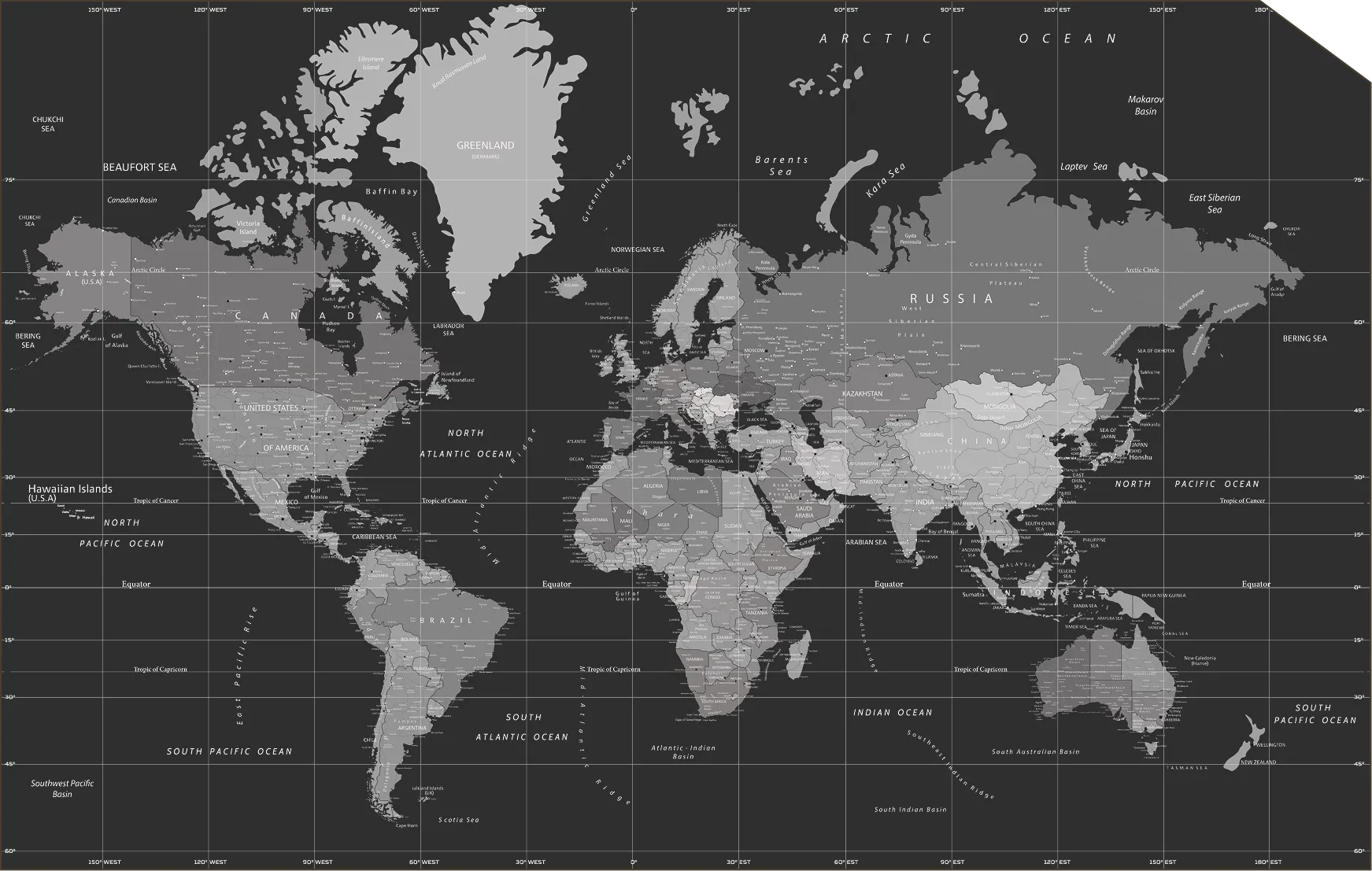
O.M.A.S.'s global operations and experience

Mouse over to interact

Click on the logos to interact

Maps

SW Region
SW Region

O.M.A.S. strengthens rural communities across the Southwest United States by delivering hands-on medical training, readiness support, and operational expertise where local resources are limited.

  • 2022-Present
  • United States

SW Region
SW Region

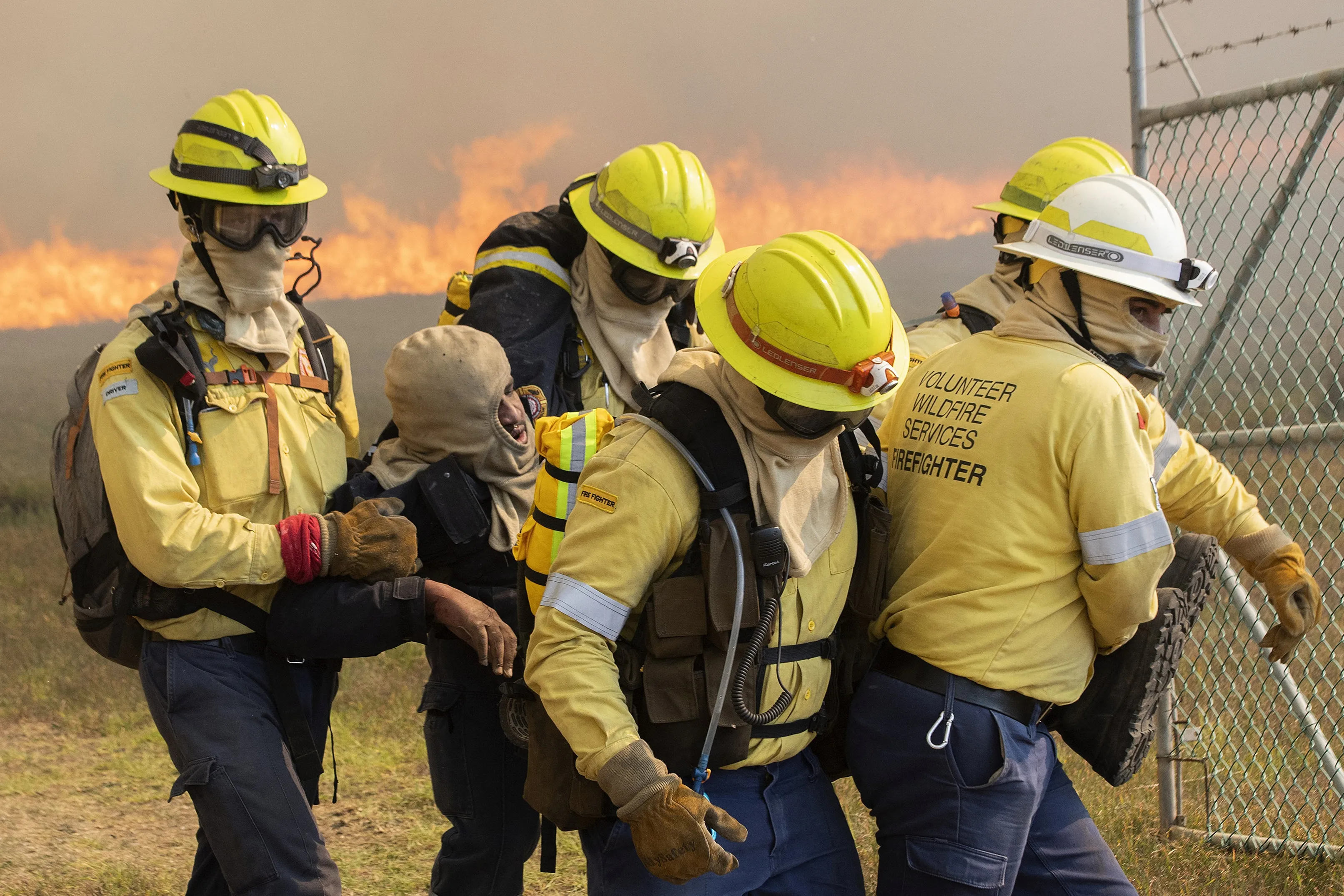
Provided humanitarian aid and critical medical support in response to a devastating natural disaster.

  • 2022-Present
  • United States

Caribbean
Caribbean

Provided humanitarian aid and critical medical support in response to a devastating natural disaster.

  • 2010
  • Haiti

Central Asia
Central Asia

Delivered critical COVID-19 response efforts, including medical evacuations, logistics support, and blood supply management for U.S. Embassy personnel.

  • 2019-2021
  • Afghanistan

Horn Of Africa
Horn Of Africa

Collaborated with U.S. assets to develop medical evacuation protocols and facilitate surgical resuscitation efforts for injured U.S. personnel and host nation forces.

  • 2022-2024
  • Somalia

Central Asia
Central Asia

Provided critical medical support, including evacuation and protective security for U.S. personnel operating in the region.

  • 2022-2023
  • Iraq
Hillah
Hillah

Facilitated COVID-19 response operations, including medical evacuations for U.S. Embassy staff

  • 2022-2024
  • Iraq

Latest from Our Blog

View All
HUMANITARIAN & DISASTER RESPONSE
Dec 15, 2024
5 min read

Managing the Medical Complexities of Mass Deportation

Mass deportation operations pose significant challenges for communities and law enforcement, including managing health risks, violent offenders, and resource strain. This article explores how O.M.A.S. provides scalable solutions like mobile health units, staff training, and public health collaboration to ensure humane care, operational efficiency, and public trust during these high-stakes endeavors.
TACTICAL MEDICINE
Dec 8, 2024
5 min read

Medical Readiness in Executive Protection

Medical readiness is often overlooked in executive protection, leaving teams vulnerable to emergencies and liabilities. This article explores the common pitfalls of dual-role medics, logistical inefficiencies, and mass casualty blind spots, while showcasing how O.M.A.S. empowers firms with dedicated medical expertise, streamlined logistics, and risk management solutions to enhance client trust and operational confidence.
TACTICAL MEDICINE
Dec 1, 2024
5 min read

Preventing Hypothermia In Trauma

Preventing hypothermia in trauma care is critical to breaking the deadly cycle of the Lethal Diamond—hypothermia, acidosis, coagulopathy, and hypocalcemia. This article explores the importance of maintaining warmth in trauma patients and provides actionable steps to improve survival rates in high-risk scenarios.

Want to know more about how O.M.A.S. can support your mission?

Connect with us today.
Contact Us